Our wood
Tottington Wood
Thirteen acres of ancient woodland at Small Dole, near Henfield. Volunteers have looked after it since 1992, and everyone is welcome to walk it.
- Size
- 13 acres
- Protected as
- Local Nature Reserve
- Plants recorded
- 251
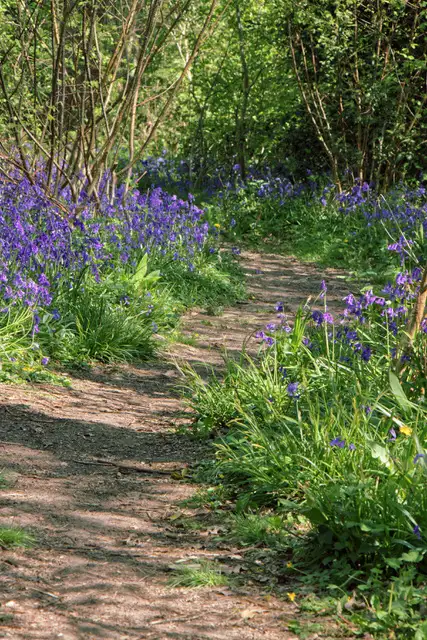
01 · The wood itself
An ancient working wood
Tottington Wood is ancient semi-natural woodland: it has been wooded for centuries.
We look after it by coppicing, a way of working woods that goes back to Neolithic times. The hazel is cut back to the ground and grows again from the stump, called a stool, giving a fresh crop of straight poles every few years.
Whatever we cut gets used, from bean poles and hedging stakes to charcoal from our own kiln. See what we make.
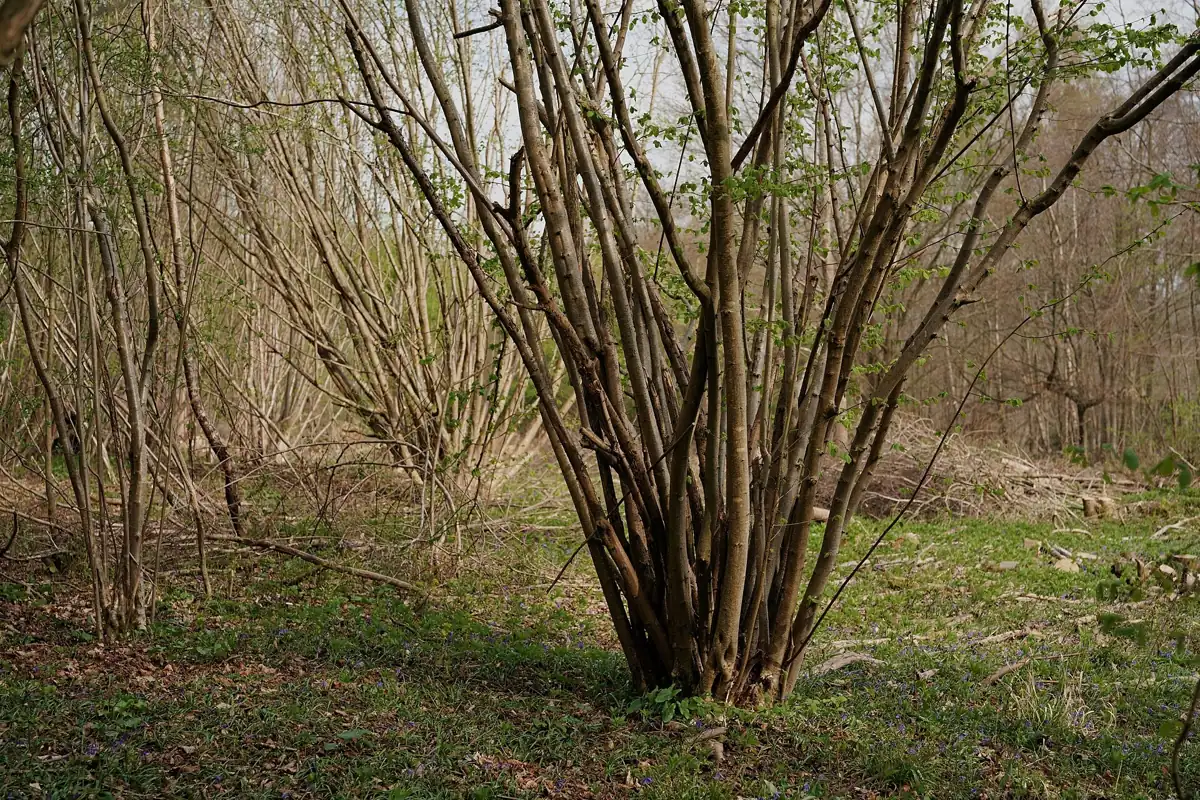
How coppicing works
Each winter we cut one part of the wood. Here is what happens next.
-
1 · Winter
We cut one cant
The hazel in one part of the wood is cut right back to ground level.
-
2 · Spring
Light floods in
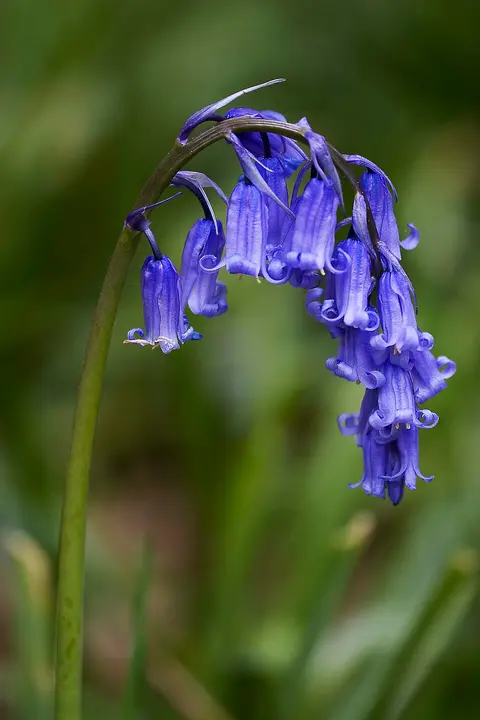
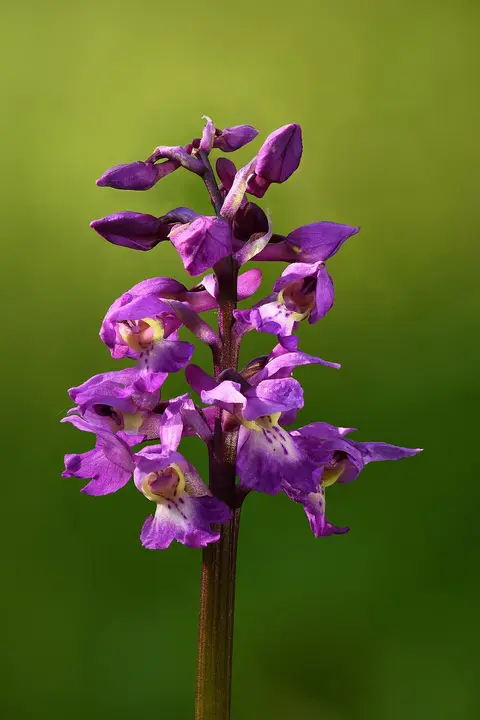
With the canopy open, the bluebells and orchids respond.
-
3 · Summer
The butterflies follow
Flowers in the open glade bring butterflies and other insects.
-
4 · Years later
Ready to cut again
The hazel has grown back into poles, and the cycle starts over.
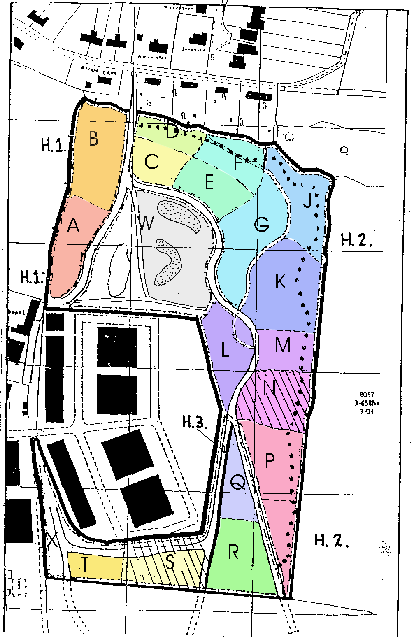
A wood in lettered parts
The wood is divided into compartments called cants, each known by a letter. The letters help us plan the cutting and survey particular parts of the wood.
The cycle was once a fixed eight years. Different parts regrow at different rates, so now each cant is cut when it is ready and its wood is needed. That is closer to how woods were traditionally worked.
02 · What grows here
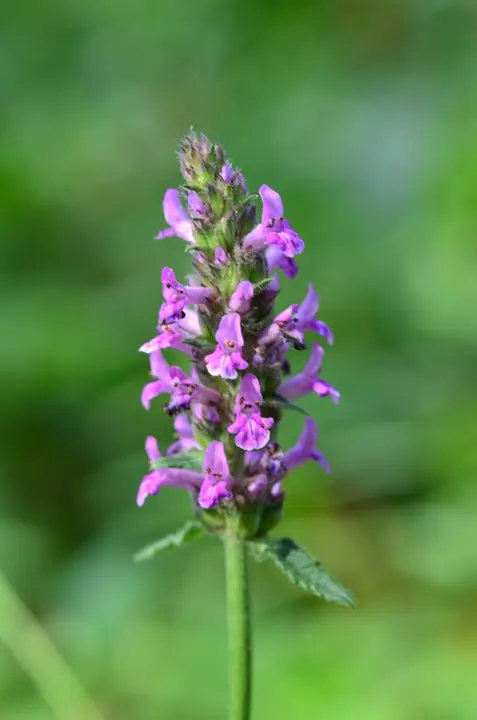
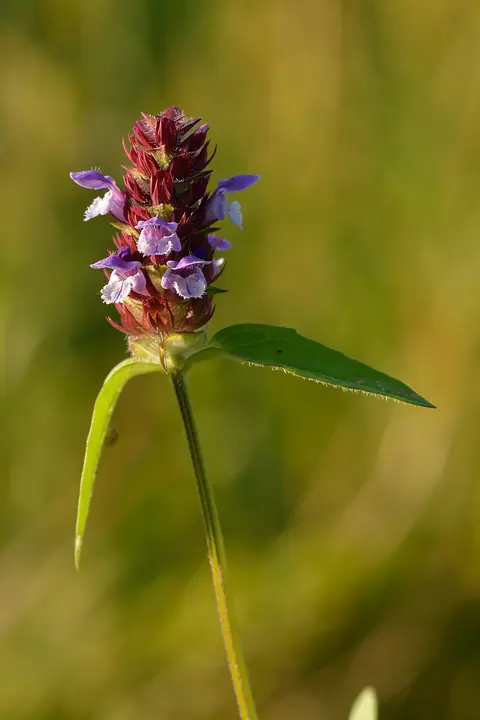
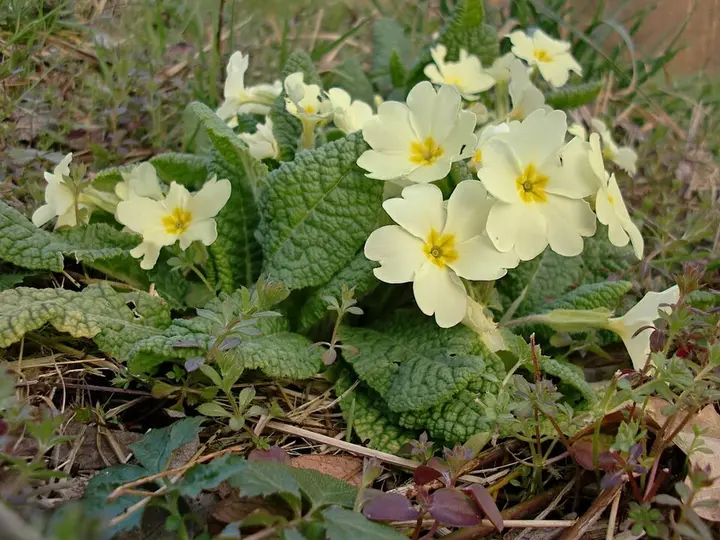
251 plants, from oak to sedge
Our volunteers have recorded the flora of the wood in detail, from 35 trees and shrubs down to the grasses, sedges, rushes and ferns of the woodland floor.
In flower now October
Open the month chart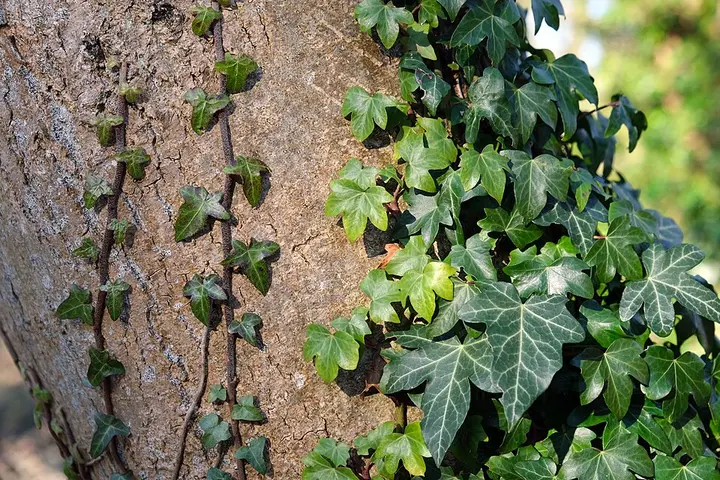
Signs of an ancient wood
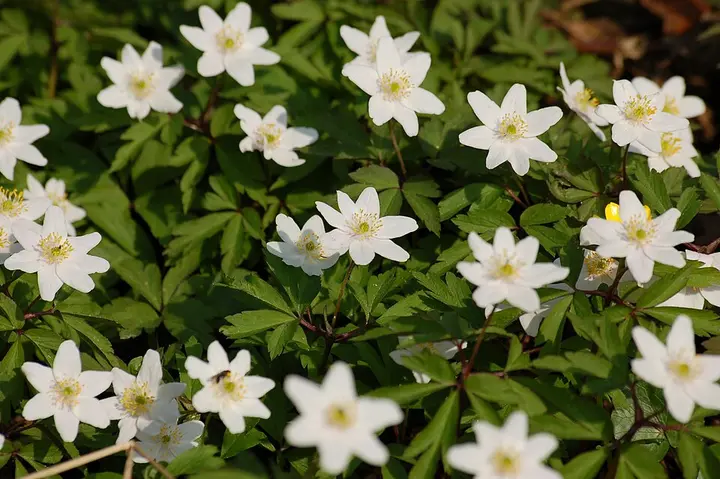
Some woodland plants spread so slowly that where you find them, woodland has stood for a very long time. Botanists call them ancient woodland indicators. We have recorded 42 of them here.
Come in spring to see most of them in flower.
Or read the whole survey in our 2019 book, The Flora of Tottington Wood.
03 · Visit the wood
Come and see it for yourself
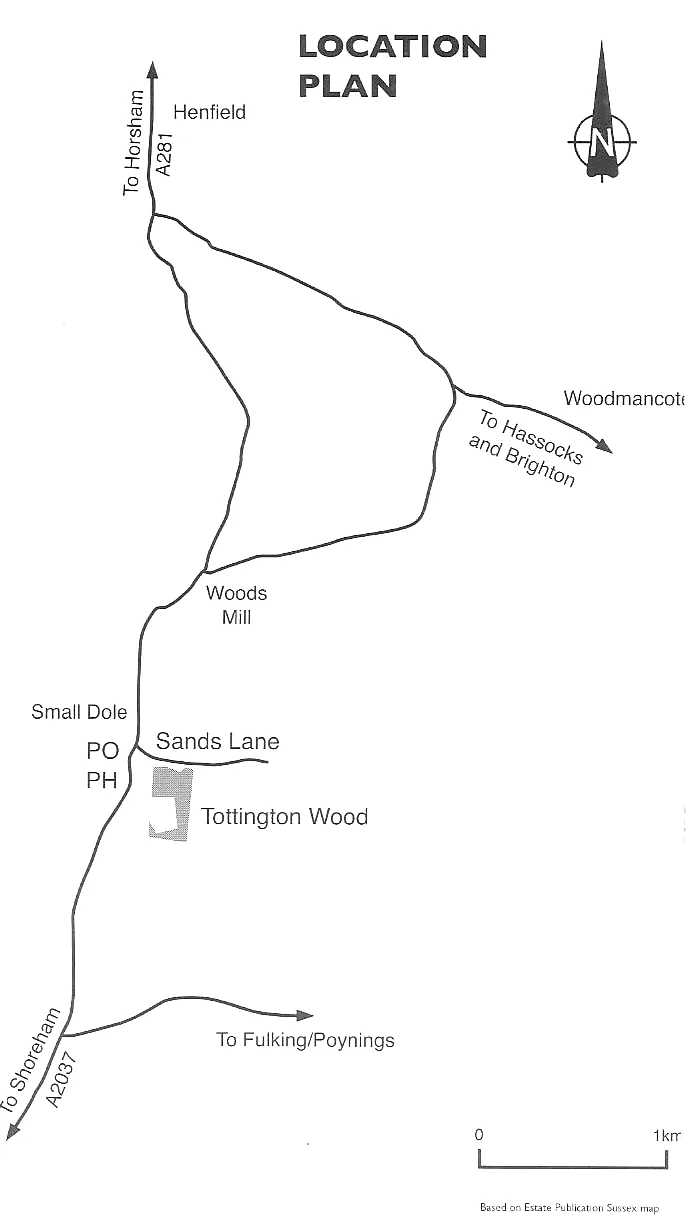
Everyone is welcome to walk the wood. Here is how to find it.
Main entrance
On the A2037 at Small Dole, opposite the Fox pub. A little south of Woods Mill, home of the Sussex Wildlife Trust.
OS grid reference TQ 21417 12669
By train and bus
The nearest stations are Shoreham-by-Sea and Hassocks, with buses towards Henfield.
Wear boots
The paths are not surfaced and can be muddy in winter.
Come on a Sunday
From late October to late March we work in the wood on Sunday mornings from 9.30. Meet at the main entrance.
Good to know
Questions about visiting
How do I get to the wood?
The main entrance is on the A2037 at Small Dole, near Henfield, opposite the Fox pub and a little south of Woods Mill. The nearest railway stations are Shoreham-by-Sea and Hassocks, with buses towards Henfield. The OS grid reference is TQ 21417 12669.
Is the wood open to the public?
Yes. Everyone is welcome to walk the wood.
What are the paths like?
The paths are not surfaced and can be muddy in winter.
Can I bring children?
Yes, everyone is welcome. Come in spring to see the bluebells and wood anemones, or use our plant list to see what to look out for on your walk. Anyone aged 16 and under can join as a junior member.
What should I wear?
Boots, because the paths can be muddy. For a work party, wear old clothes you do not mind getting muddy, and bring a mug.
Can I just turn up to a work party?
Yes. We meet at 9.30am on Sunday mornings at the main entrance, opposite the Fox, from the end of October to the end of March, and work until around lunchtime. You do not need any experience: someone will show you what to do, and the kettle goes on mid-morning. See the dates.
Who looks after the wood?
The Tottington Woodlanders, a group of local volunteers and a registered charity, have looked after the wood since 1992. We coppice the hazel by hand each winter, keep the paths open and keep a careful count of what lives here. The wood is a Local Nature Reserve.